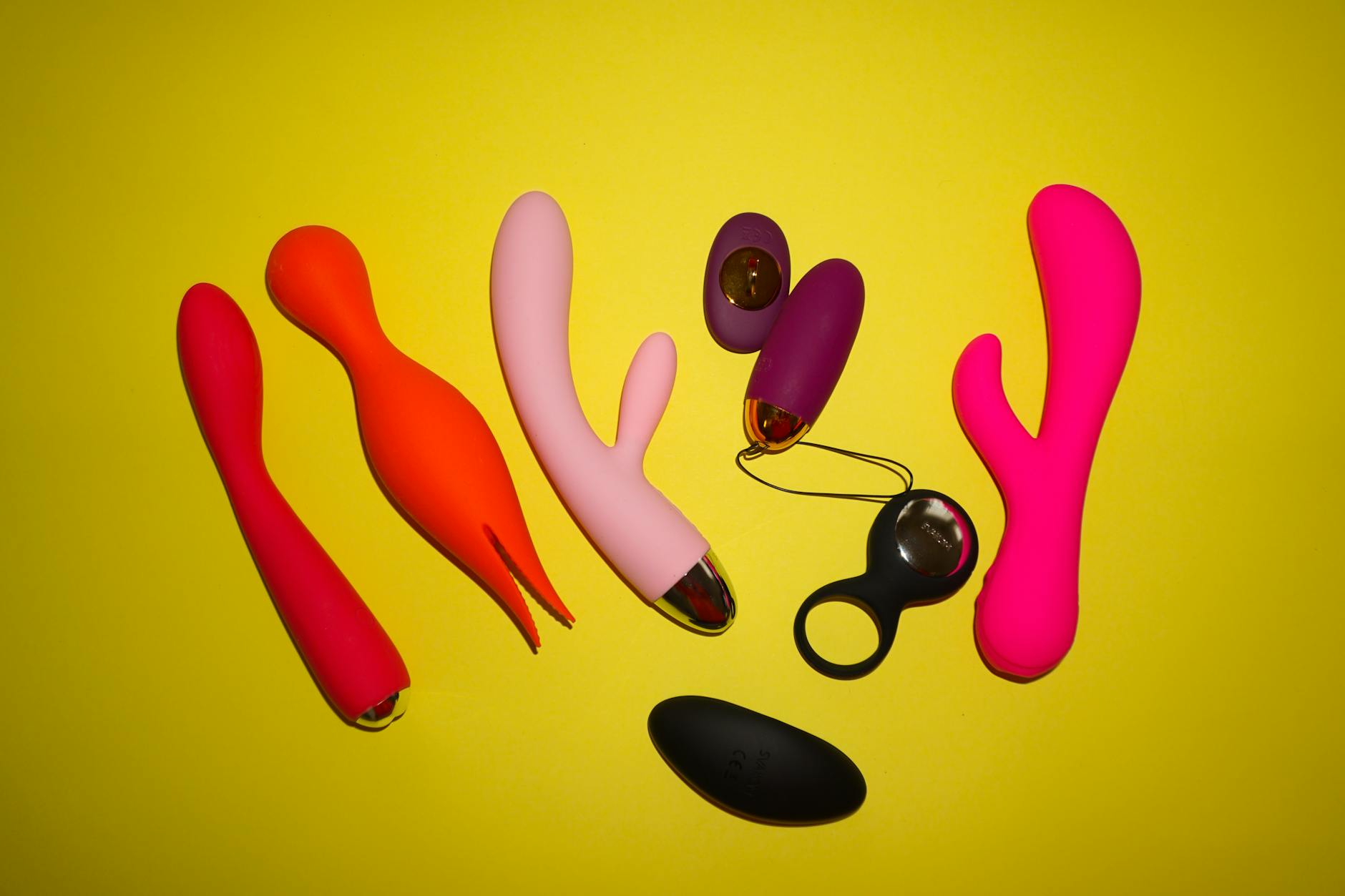
Here's the thing about being asked
When your partner says "What do you actually like?" it's not just a question. It's an opening. It's them saying they want to know you better, and they're brave enough to ask. The tricky part? You might not have an easy answer. Maybe you've never explored what you like solo. Maybe you have, but talking about it out loud feels different. Or maybe you know exactly what feels good but worry about seeming too demanding.
This is the conversation that changes everything. Not because toys are magic, but because honest desire is intimate.
The gap between knowing and saying
Most people can feel pleasure easily enough. Way fewer people can name it, describe it, or ask for it directly. There's a reason. We've been trained to read a partner's mood instead of broadcasting our own needs. We've been taught that good sex is intuitive, not negotiated. And we've definitely learned that asking for something specific might make us seem high-maintenance.
Here's what I see clinically: the couples who communicate about pleasure are the ones who stay interested in each other. The ones who don't? They tend toward resentment that looks like "the spark is gone," when really the spark just got boring because nobody was speaking the truth.
If your partner is asking, they're already halfway there. They want the spark to be interesting.
How to talk about what a clitoral vibrator actually does
Skip the technical explanation. Your partner doesn't need to know about suction technology or pattern variation. They need to know what this feels like for you.
Try something like: "I've been curious about trying a clitoral vibrator. The way it works is really different from fingers or a partner's touch. It's focused suction on the clitoral area, and it lets me control the exact rhythm and intensity. When I use one, I can get to orgasm faster and the sensation is more concentrated. I'd like to try it with you."
Notice what that does. It's honest. It's not apologetic. It's not framed as "you're not enough" or "I need this because something's wrong." It's just factual. A lemon vibrator, or any clitoral vibrator from Hello Nancy, does something specific. And you're interested.
If your partner seems hesitant, don't go into a sales pitch. Just ask why. Sometimes it's a confidence thing. Sometimes it's an idea they had that toys mean the relationship is broken. Sometimes they're worried it means you don't need them anymore. These are real concerns that deserve real conversation, not reassurance.
Showing them what you like
There are two ways to do this. One is to use the vibrator solo while they watch. The other is to use it during sex together. Both are powerful. Both feel vulnerable. Both work differently.
If you start solo, you're giving them a gift. You're saying "here's what my body does, here's how I respond, here's what pleasure looks like on me." That's genuinely erotic for most partners. You're not performing. You're just being present with yourself while they witness it. That's intimate in a way partner-focused sex often isn't.
Start with one of the lower intensity settings on the lemon vibrator if it's your first time explaining your pleasure to a partner. You want them to see what feels good, not what feels like a special effects show. Most people find patterns 1 through 3 on a lemon clitoral vibrator to be the sweet spot for partnered use. You're not trying to race to the finish. You're showing them where the good sensations live.
If you're using it during sex together, communication matters even more. Tell them what's happening. "This feels really good right now." "I'm going to shift this angle." "I'm close." Your partner is learning your map. Every detail helps.
What your partner might feel watching or helping
Pleasure literacy goes both ways. When you use a vibrator with your partner present or involved, they get to see that you're complex. That your body has preferences. That you're worth paying attention to. Some partners find that incredibly hot. Some find it initially threatening, then later incredibly hot.
If your partner wants to hold the vibrator or control the rhythm, that's a beautiful moment. Let them explore. They might discover angles or patterns that you wouldn't find solo. More importantly, they get to actively participate in your pleasure. That's connection.
Some partners want to focus on something else while you use the vibrator. They might be inside you, or using their hands elsewhere, or just holding you. That rhythm, where you've got your clitoral pleasure being managed by you or them and something else is happening too, that creates this interesting fullness. It's worth trying.
When things get awkward
Maybe your partner doesn't want to watch. Maybe they want you to use it but don't want to think about it too hard. Maybe you pull out the Hello Nancy lemon vibrator and immediately the energy shifts weird.
That's normal. That's the gap between fantasy and reality. You're introducing a new element, and brains need time to adjust. Don't push it the first time. Use it once, see how it lands, talk about it later. "Did that feel okay for you?" is a perfectly reasonable question. So is "I felt a little shy, let's try again next time."
If your partner consistently doesn't want toys involved in partnered sex, that's information. It's not a rejection of you. It might be worth a deeper conversation about why. Sometimes people have associations with vibrators that have nothing to do with you. Sometimes they just prefer a certain kind of sex. That's a negotiation, not a dead end.
The conversation that matters most
After the first time, sit with each other. Not immediately after sex, which tends to feel vulnerable in a different way. Maybe the next morning, or later that evening.
Ask them what they noticed. What they felt. What surprised them. Then tell them. "I felt really seen." "I was nervous but it felt safer than I expected." "I want to do that again but differently."
This is where intimacy lives. Not in the toy. In the fact that you're both brave enough to talk about what actually happened. Most couples never get here. They have sex, move on, don't debrief. Then they wonder why the spark fades.
Your partner asked what you like. That's the beginning of something real.
Practical logistics for using a clitoral vibrator with a partner
Charge your device the night before if you're planning to use it. Nothing kills intimacy like "oh no, the battery's at 15%." Water-based lubricant is your friend. Even with a partner, even if you're aroused, lube makes everything feel better and more comfortable. Have it nearby.
If you're using a lemon vibrator with a partner for the first time, start with your partner touching you first. Get aroused. Then introduce the toy. The order matters. You want your nervous system already in pleasure mode when the vibrator shows up.
Talk about cleanup beforehand if you're using lube. It's not romantic, but it removes friction later. "I'll grab a towel after." Easy.
If intensity or sensation feels off during, say something immediately. "A little softer" or "Let me adjust the angle." Your partner is not a mind reader, and neither are you. Communication mid-act is not a mood killer. It's what good sex actually is.
People also ask
Will using a vibrator with my partner make them feel insecure?
It might, initially. Some partners worry that a vibrator means they're not enough. That's worth addressing directly. The truth is: a clitoral vibrator does something your partner's body can't do. It's not better. It's different. It's like asking if using a pillow means you don't love your bed. The best sex isn't about one thing feeling perfect. It's about exploration and variety. A partner who's secure enough to be curious about your pleasure is usually secure enough to understand that.
How do I bring up using a lemon vibrator if my partner hasn't asked yet?
Honestly. You say something like "I've been thinking about exploring my pleasure more, and I'm interested in trying a lemon vibrator. I'd like to try it with you." You're not asking permission. You're inviting them in. If they say no, that's information. If they say maybe or yes, that's an opening. Some partners need time to think about it. Give them that. Circle back in a week or two.
Can we use a lemon clitoral vibrator if we're already using other toys or methods?
Absolutely. Lemon vibrators are designed specifically for clitoral stimulation through gentle suction, which is different from traditional vibration or penetration. Many couples use them alongside other toys or methods. The key is communication about what feels good and checking in with each other. Variety keeps things interesting. That's the entire point.
What if I want to use a vibrator but my partner isn't interested in being involved?
That's your choice. Solo pleasure is valid and healthy. You don't need your partner's involvement or approval to explore your own body. That said, if you're in a committed relationship and your partner isn't interested in your pleasure exploration, that might be worth a separate conversation. Not "you have to be into this," but "I'm noticing a gap here and I want to understand it." Sometimes that conversation opens doors.
How often should we use a lemon vibrator together?
There's no standard. Some couples use it every time they have sex. Some use it occasionally for variety. What matters is that it feels good for both of you and you're both still interested. If you notice either of you becoming indifferent, that's a signal to switch things up or check in about what's shifted.
Is it normal to orgasm faster or differently with a lemon vibrator than with a partner?
Completely normal. A lemon vibrator provides targeted clitoral stimulation at a consistent rhythm and intensity that's hard to replicate with hands or other methods. Your body responds to that pattern. That doesn't mean partnered sex is less satisfying. It's just different. The best partnerships include both.
The real intimacy
Your partner asked what you like. That question is the foundation of every good long-term relationship. It means they're not assuming. They're not guessing. They're asking you to tell them the truth about your body and your desire.
A lemon vibrator might be part of that answer. Or it might not be. But the conversation, the honesty, the willingness to explore together. That's what builds real connection. That's what lasts.
If you're ready to explore this together and want support thinking through the practical side, reach out. That's what we're here for.