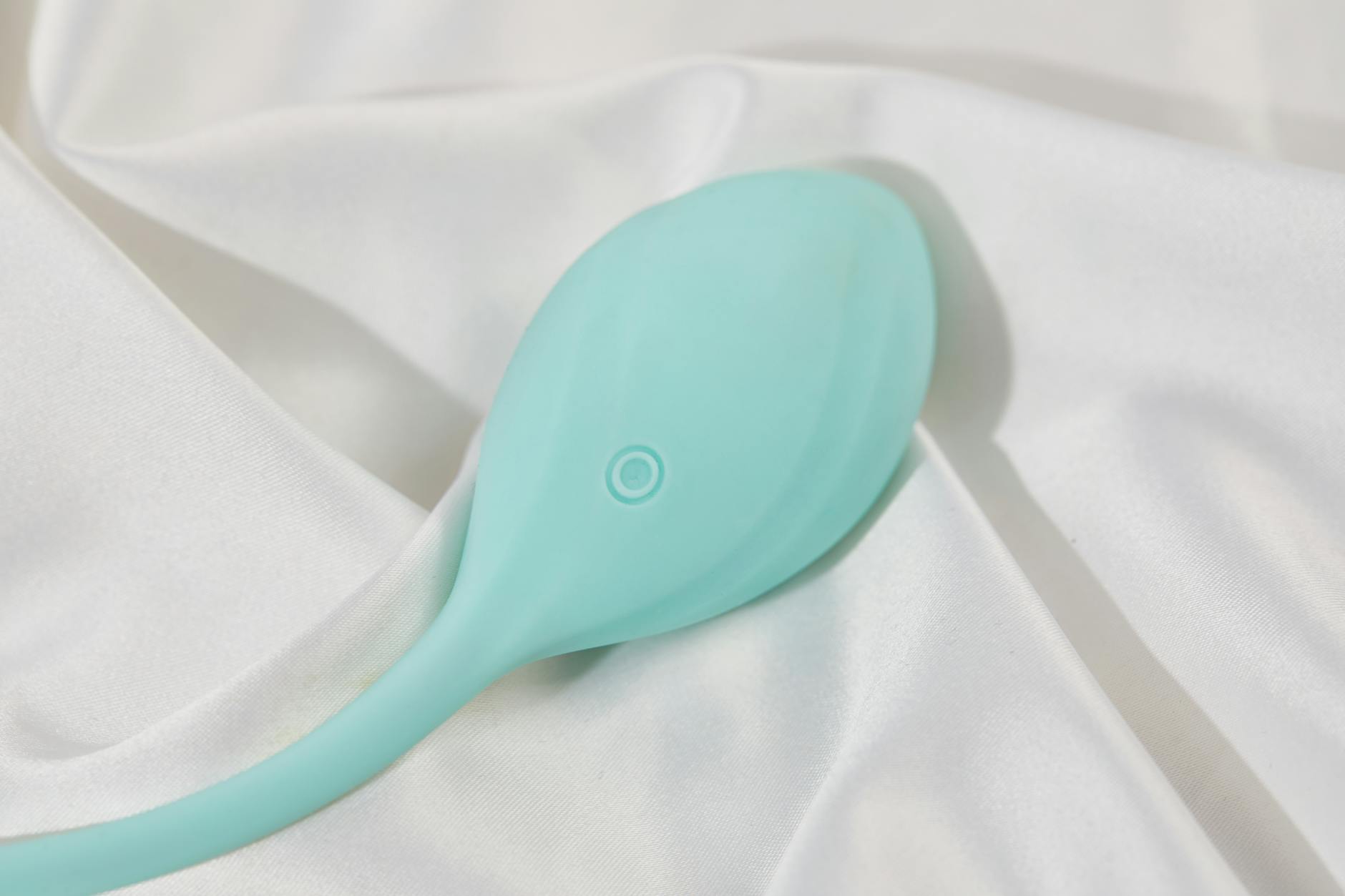
How to Use a Lemon Vibrator When Touching Yourself Feels Too Sensitive
Let's start here: sensitivity isn't fragility. Your clitoris has roughly 8,000 nerve endings concentrated in a space the size of a pea. That density is exactly what makes pleasure possible. It's also what makes direct pressure sometimes feel sharp, overwhelming, or just plain unpleasant instead of good.
If touching yourself directly feels too intense, you're not broken. You're also not destined for a sexless future. You just need a different approach, and a lemon vibrator is one of the smartest tools for this particular friction.
Why direct pressure feels too much
Direct stimulation means exactly what it sounds like: your finger or a vibrator making full contact with the clitoral glans (the visible tip). For people with high sensitivity, this can feel abrasive, numbing, or even slightly painful. It's not about weakness. It's about nerve density and threshold.
Think of it like sound. A whisper at full volume through a megaphone is still a whisper in terms of content, but the delivery makes it feel like a scream. Your clitoris is experiencing the megaphone version.
A couple of things make this worse: rubbing motion (friction that builds heat), consistent pressure without variation, and prolonged direct contact. Any of these alone can tip sensitivity from "pleasant" to "nope."
How suction-style stimulation changes the game
This is where a lemon vibrator (or any suction toy) does something different from a traditional vibrator. Instead of vibration creating friction against tissue, suction gently draws the clitoral glans into a soft chamber. The stimulation is diffuse. It doesn't concentrate all the sensation on one tiny point.
Inside the chamber, a gentle pulsing or wave pattern creates rhythm without requiring you to tolerate direct touch. The sensation is rounded, enveloping, less sharp. For people whose clitoris feels too sensitive for conventional toys, this distinction is massive.
You're getting stimulation, arousal, and often strong orgasms. You're just not fighting through the "too much" feeling to get there.
Start with the lowest settings
If you've bought a lemon vibrator and you're nervous about sensitivity, the temptation is to assume you need to ease in with lighter pressure. Actually, the opposite is often true. Start with the lowest suction setting, not no suction at all.
Why? Because when the suction chamber is working, it's doing some of the work for you. Your own pressure doesn't have to be as precise. You're not manually hunting for the right angle and pressure. The device is holding the tissue gently and creating sensation within that containment.
Most lemon clitoral vibrators have 5 to 10 intensity levels. Start at level 1 or 2. Spend at least two or three sessions at that setting before moving up. Your body needs time to learn what's pleasant versus what's too much.
The placement question
Not all sensitivity is created equal. Some people find the glans (tip) too sensitive but can handle stimulation of the clitoral body or the labia around the clitoris.
With a lemon vibrator, you have positioning flexibility. You can:
- Center the toy directly over the glans
- Angle it slightly so the chamber touches the side of the clitoris
- Position it lower, so the suction pulls tissues from below rather than directly
- Keep the toy just barely making contact, letting suction do most of the work
Spend time experimenting with these small shifts. A half-inch difference in angle can transform a sensation from "sharp" to "yes."
Lubrication is your secret weapon
One of the biggest misconceptions about sensitivity is that you should skip lubricant. The opposite is actually true. A slick surface means less friction, less heat, and easier gliding for the toy.
Use a water-based lubricant. Apply it generously to your vulva and to the entrance of the toy's chamber. This does two things. First, it reduces the micro-friction that can feel scratchy on sensitive tissue. Second, it creates a better seal for suction to work, which means the device can do its job with less intensity from you.
Reapply as needed. Lubrication degrading during a session is one of the main reasons sensitivity suddenly spikes.
Arousal is non-negotiable
Sensitivity to a toy is partly physical, but it's also partly about arousal state. When you're highly aroused, blood flow to the clitoris increases, tissues swell, and your pain threshold rises. Basically, you become less sensitive to discomfort and more responsive to pleasure.
This means don't jump straight to the toy. Spend 10 to 15 minutes warming up first. Read erotica. Think about something that turns you on. Use your hands or a partner if available. Get to a place where you're genuinely aroused before you introduce the vibrator.
You'll notice the difference immediately. The same setting that felt too intense five minutes earlier will feel just right.
Pattern versus intensity
Lemon vibrators give you two controls: how intense the suction is and what pattern it's using. Most models offer waves, pulses, or steady suction. Here's the thing many people miss: pattern can sometimes feel better than raw intensity.
If level 3 with steady suction feels overwhelming, try level 2 with a wave pattern instead. The rhythm of the wave can feel more like stimulation building and releasing rather than a constant assault. Your nervous system might perceive it as more manageable.
The same total stimulation delivered with rhythm often feels less intense than steady pressure. It's neurological, not a placebo.
When to use a barrier
Some people find that even with all these adjustments, direct contact still feels too raw. In that case, try using the toy through a thin barrier. Place a small piece of soft fabric (like a microfiber cloth or even a clean cotton underwear panel) between the toy's opening and your vulva. This dulls the sensation slightly while keeping the suction working.
It might feel silly, but it's a legitimate accommodation. You're not trying to power through discomfort. You're customizing the experience to your body's actual needs.
Once your nervous system adjusts and you build arousal tolerance, you can gradually remove the barrier. Progress happens slowly with sensitivity, and that's fine.
The role of your mental state
Here's something therapists know that sex writers don't always say clearly: physical sensitivity is often entangled with emotional tension. If you're nervous about pain, that nervousness actually increases muscular tension and lowers your pain threshold. It's a feedback loop.
Before you use the toy, spend a moment doing something calming. Deep breathing. Progressive muscle relaxation. Whatever helps you feel safe and unhurried. The goal is to arrive at the toy without dread.
If you do find yourself tensing up during use, pause. You're not failing. Your body is telling you it needs more time, more arousal, or more reassurance. Listen to that.
Common setbacks and how to move through them
After a few sessions at low intensity, you might plateau. The sensation stops feeling new or exciting. This doesn't mean you need to jump to level 5. It usually means your nervous system has acclimated and you're ready to very slowly increase.
Move up one level. One. Not three. Give yourself two or three sessions at that new level before moving again.
You might also notice that sensitivity varies by cycle (if you menstruate), by stress level, or by time of day. Sensitivity is situational, not fixed. A setting that worked yesterday might feel wrong today. This is normal.
Track what works so you can return to it. If level 2 with waves feels great on Tuesday, and Wednesday level 2 feels too much, ask yourself what changed. Sleep? Stress? Cycle day? The more you learn your own patterns, the more confidently you can navigate them.
When sensitivity comes with pain
If you're experiencing actual pain (not just discomfort or intensity) during or after toy use, that's a different conversation. Pain that lingers, that feels sharp or burning, or that's accompanied by other symptoms like discharge changes deserves medical attention.
Conditions like vulvodynia, provoked vestibulodynia, or other pain syndromes are real and treatable. A pelvic health physical therapist or gynecologist trained in sexual health can help you figure out what's happening and what will actually feel good.
The lemon vibrator can still be part of your pleasure toolkit even with these conditions, but you might need professional support to figure out the right approach. That's not a failure. That's being smart.
The bigger picture
Sensitivity is an asset, not a problem to solve. Your body is telling you important information about what feels good and what doesn't. A lemon vibrator is designed to work with sensitive tissue, not against it. The suction mechanism, the range of intensities, the patterns, the positioning options, all of it exists because sensitivity is common and worth honoring.
Your pleasure matters. So does your comfort. Those two things aren't in conflict.
FAQ
Can I use a lemon vibrator if my clitoris is always sensitive?
Yes. Consistent sensitivity usually means your clitoris responds strongly to stimulation, which is actually a gift for pleasure. It just means you need to be thoughtful about approach. Start at the lowest setting, use lubrication, ensure good arousal beforehand, and give yourself permission to move slowly. Sensitivity doesn't disqualify you from vibrators. It just requires intentionality.
Does sensitivity get worse if I use a vibrator regularly?
No. The opposite is actually more common. Regular use with proper technique often helps your nervous system learn what pleasure feels like versus pain. Over time, you might find you tolerate higher intensities comfortably, or you might stay with lower settings and feel completely satisfied. The key is consistent, gentle exposure, not avoidance.
What's the difference between sensitive and numb?
Sensitivity means you feel a lot quickly, sometimes so much it's overwhelming. Numbness means you don't feel much at all, even with stimulation. These are different problems with different solutions. If you're numb, you might actually benefit from slightly higher intensity or different patterns. If you're sensitive, you need the opposite. Be honest with yourself about which you're experiencing.
Should I use a vibrator or a suction toy if I'm sensitive?
For most sensitive people, suction toys (like a lemon vibrator) feel better than traditional vibrators. The mechanism is fundamentally gentler because it doesn't rely on friction or direct pressure. That said, every body is different. If you've tried a lemon vibrator and it doesn't feel right, traditional vibrators with very low settings or wand vibrators on the lowest intensity can also work. The shape and mechanism matter.
Can I combine a lemon vibrator with other stimulation if I'm sensitive?
Absolutely. In fact, combining the lemon vibrator with hand stimulation elsewhere on your vulva (like the labia or the area around the clitoris) often feels richer than the toy alone. You're getting varied sensation, which can help prevent the "too much on one spot" feeling. Some people also combine a lemon vibrator with penetrative toys, using the vibrator for clitoral stimulation while using something else internally. The combination can feel more balanced.
How long does it take for sensitivity to adjust?
There's no standard timeline. Some people adjust within 3 to 5 sessions. Others take several weeks of consistent, gentle use. Your history matters too. If you've been avoiding stimulation because of sensitivity, your nervous system might need more time to learn that this is safe and pleasurable. Be patient with yourself. Progress is progress, even if it's slow.
Is sensitivity related to trauma?
Sensitivity can be related to past trauma, but it's not always. It can also be purely physiological, neurological, or related to hormones, stress, or medication. If you suspect trauma is involved, working with a trauma-informed therapist alongside your pleasure exploration is wise. A therapist can help you feel safer in your body while you're learning what feels good.
Can I use numbing products to reduce sensitivity?
Not recommended. Numbing products reduce sensation overall, which defeats the purpose of pursuing pleasure. They can also mask pain that's trying to tell you something important. Instead of numbing, the better path is acclimation, positioning adjustments, and finding the right tool. A lemon vibrator is specifically designed to feel good on sensitive tissue without requiring numbing agents.
If you're new to the idea of pairing sensitivity with pleasure, exploring resources on how to use a lemon vibrator when you're nervous about trying one can help ease the mental side too. Sensitivity and pleasure go together. You just need the right approach.
Your body is teaching you what it needs. Listen to it. Honor it. A lemon vibrator is here to help.