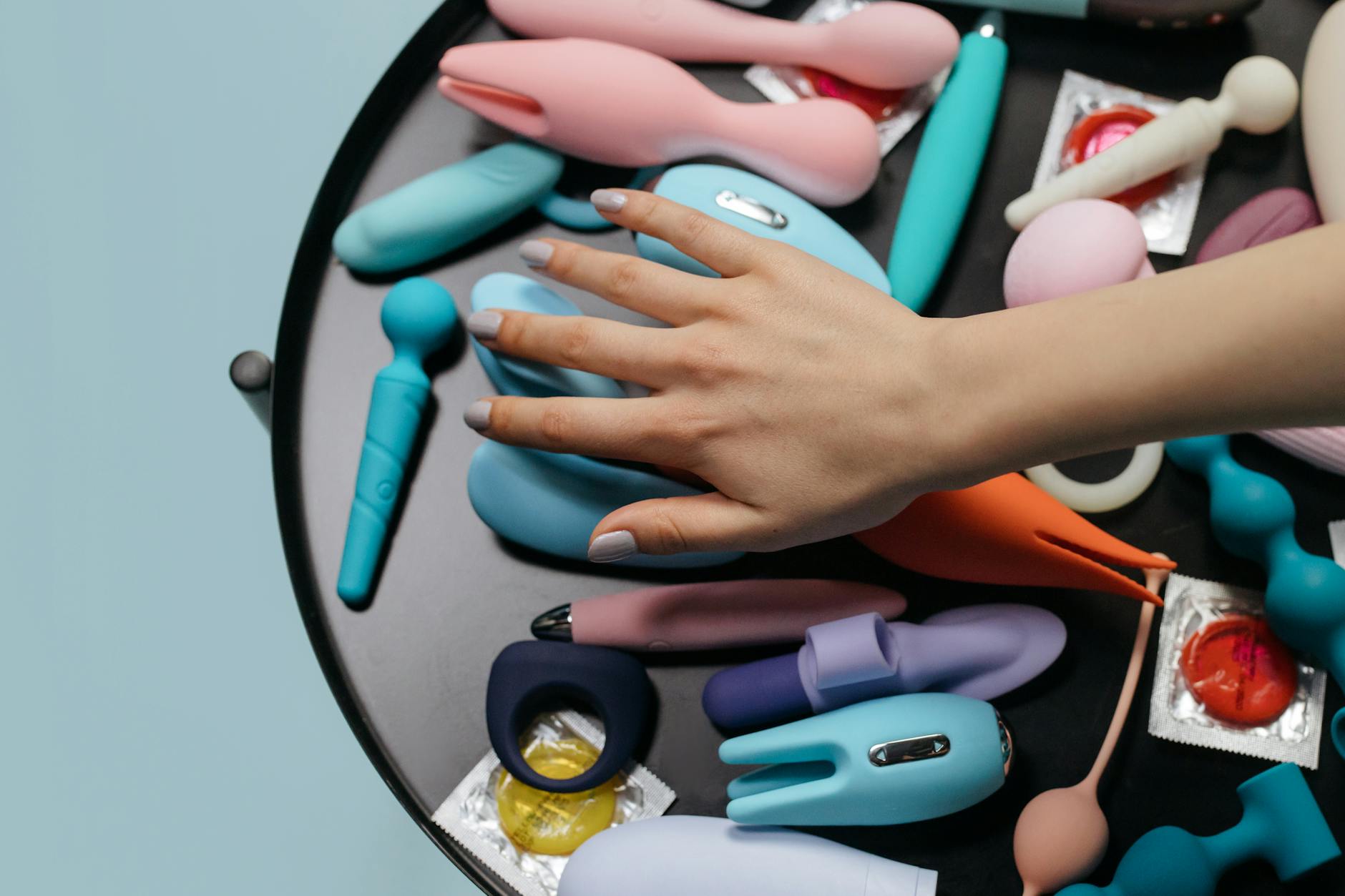
Why Lemon Vibrators Feel Better on Sensitive Vulvas Than Traditional Vibration
Let's be real. If you've got sensitive skin down there, the idea of pressing a buzzing vibrator against it sounds about as appealing as a prolonged dental visit. And honestly? Your instinct is right. There's a reason.
The difference between a traditional clitoral vibrator and a lemon vibrator isn't just marketing. It's neurology. One strategy pummels the same nerve endings over and over. The other creates a gentler, more dynamic sensation that actually feels better on tender, reactive tissue. Here's why.
How traditional vibrators stimulate (and why they overwhelm sensitive skin)
A standard vibrator works through rapid, repetitive oscillation. Think of it as a tiny jackhammer: the toy vibrates side to side, up and down, or in circular patterns at speeds that can hit 5,000 to 10,000 oscillations per minute. That's a lot of friction. That's a lot of pressure.
When you have sensitive vulvar tissue, that constant mechanical irritation activates pain fibers alongside pleasure fibers. The two compete. Your nervous system gets confused. Instead of building arousal, you get a sensation closer to overstimulation. That's why so many people with sensitive skin find that traditional vibrators work for a few minutes, then become uncomfortable or even painful.
The tissue down there is thinner than you'd think. The clitoris, despite its incredible nerve density (more than 8,000 nerve endings concentrated in a pea-sized area), is also profoundly sensitive. Subject it to constant mechanical hammering and it gets fatigued, inflamed, or just angry.
The lemon sucker difference: air-pulsing instead of buzzing
Lemon clitoral vibrators, including the popular Lem design, use a completely different mechanism. Instead of vibrating, they pulse air. The cup seals gently around the clitoris and creates rhythmic suction and release. No friction. No constant pressure. Just waves of sensation.
This is genuinely important for sensitive skin because air-pulsing doesn't involve the clitoris rubbing against the toy at all. The stimulation is more diffuse, more wave-like, and far less likely to trigger sensitivity or pain responses.
I've worked with dozens of people who'd given up on vibrators entirely because they found them painful or too much. When they tried a lemon sucker toy, many had their first comfortable, sustained experience with a toy in years. It's not placebo. It's a fundamental difference in how the tool contacts your tissue.
The nerve pathway difference
The clitoris has two main types of sensory nerve endings: meissner's corpuscles (which detect light touch and texture) and pacinian corpuscles (which respond to pressure and vibration). Traditional vibrators activate pacinian corpuscles relentlessly. For sensitive skin, this becomes exhausting and irritating.
Air-pulsing stimulation instead activates both types more evenly and dynamically. As the suction builds and releases, the sensation changes moment to moment. This variation keeps the nervous system engaged without fatiguing any single nerve pathway. For people with sensitive tissue, this rhythmic, layered stimulation feels more pleasurable and less punishing.
Photo by cottonbro studio on Pexels
Why lemon vibrators work for conditions that make sex painful
If you have vulvodynia, lichen sclerosus, vulvar dermatitis, or post-surgical sensitivity, traditional toys often feel like a non-starter. The mechanical friction is simply too much.
Lemon clitoral vibrators sidestep this problem. Because there's no friction involved, many people with these conditions can use them comfortably. The suction is gentle enough not to trigger pain responses, but stimulating enough to build real arousal and pleasure.
I'm not saying a lemon sucker is a cure. But it's often the difference between "toys feel impossible" and "I can actually enjoy this." That matters. Your pleasure matters.
Intensity control makes a real difference
When you check out the lemon vibrator intensity settings, you'll notice something. The lower settings don't feel like a toy that's "not turned on enough." They feel like a genuinely different sensation. Patterns 1 and 2 offer soft, rhythmic pulsing. Higher patterns become more insistent, more rapid.
For sensitive skin, this control is gold. You can stay in a range that feels good without needing to crank it up to feel anything. With traditional vibrators, going quieter just means less sensation, period. With air-pulsing, going quieter means a different, often more pleasant sensation.
How to use a lemon sucker if you have sensitive skin
Three practical strategies.
First, use lube even if you don't think you need it. Water-based lubricant makes the seal slightly less intense and the sensation smoother. It's not about dryness. It's about comfort.
Second, start with pattern 1 or 2. Genuinely. Don't jump to the middle settings because you assume a lower setting "won't work." Lower settings on a lemon toy often feel more targeted and more pleasurable than higher ones for tender tissue.
Third, take breaks. Air-pulsing is gentler, but clitoral numbness can still happen if you use it for 45 minutes straight. Ten to twenty minutes of focused stimulation, rest, then go again if you want more. Your nervous system will thank you.
The comparison with other sensitive-skin tools
If you're exploring options, here's how lemon vibrators stack up. Wand vibrators offer broader stimulation and less direct pressure, which helps some people. But they're still using vibration, not air-pulsing. Finger vibrators are less intense, but also less reliable for building toward orgasm.
Lemon sucker toys hit the sweet spot: targeted enough to create real sensation, gentle enough to feel good on reactive skin, and versatile enough to work with solo play or partnered sex. For most people with sensitive vulvas, they're the most practical starting point if you've been nervous about toys.
Why sensitivity sometimes improves over time
Here's something worth knowing. Many people find that using a gentle tool like a lemon vibrator actually desensitizes them in the good way. Your nervous system gets used to pleasurable touch, and sensitivity decreases over time. I've had clients report that after months of comfortable play with a sucker toy, they could tolerate other types of stimulation they'd previously found painful.
This isn't miraculous. It's just how nerves work. Repeated pleasant sensation helps your brain recalibrate what "normal" tactile input feels like. That's powerful.
When to see someone if it still hurts
If you try a lemon clitoral vibrator and it still causes pain, that's real information. It doesn't mean you're broken. It might mean vulvodynia or another medical condition needs attention. A vulvovaginal specialist (gynecologist or dermatologist with this focus) can help. Many conditions are extremely treatable once properly diagnosed.
But honestly? Most people with sensitive skin find that the air-pulsing approach just works better. No drama. No medical intervention. Just a tool that matches your nervous system instead of fighting it.
FAQ: Sensitive Vulvas and Lemon Vibrators
Will a lemon vibrator feel painful on sensitive skin?
Unlikely, especially at lower intensity settings. Air-pulsing stimulation avoids the friction that typically triggers sensitivity. Start with pattern 1 or 2 with water-based lube, and most people find it comfortable. If discomfort happens, it's usually a sign to add more lube or lower the intensity further, not that the tool is wrong for you.
How is air-pulsing different from regular vibration for sensitive tissue?
Traditional vibrators rely on mechanical oscillation that creates friction against the clitoris. Air-pulsing uses suction and release, creating rhythmic pressure without rubbing. For sensitive skin, the lack of friction makes a major difference in comfort. The sensation is also more dynamic and less likely to cause the fatigue or irritation that comes with constant buzzing.
Can I use a lemon sucker if I have vulvodynia?
Many people with vulvodynia find them genuinely comfortable, particularly at lower settings. The key is that there's no friction involved. That said, vulvodynia is highly individual. What works for one person might not work for another. If you're considering this and have a diagnosis, mention it to your healthcare provider. Most will affirm that gentle, friction-free stimulation is a reasonable thing to try.
Do I need more lube with a lemon vibrator if I have sensitive skin?
Yes, generally. Water-based lube reduces the intensity of the suction slightly and creates a smoother seal. This usually makes the experience more comfortable, not less. You're not trying to "fix" dryness. You're optimizing comfort. That's a worthy goal.
What intensity level should I use if my vulva is reactive?
Start with pattern 1. Seriously. Don't skip to pattern 3 because you assume the lowest setting won't do anything. On a lemon sucker toy, pattern 1 is often the most pleasant for sensitive tissue because the sensation is gentler and more diffuse. You can always increase the intensity after you've tried it.
Can using a gentle lemon vibrator actually reduce vulvar sensitivity over time?
Yes, many people report this. Repeated pleasant sensation helps your nervous system recalibrate what normal tactile input feels like. If you use a gentle tool consistently and comfortably, sensitivity sometimes decreases over weeks or months. This isn't guaranteed, but it's a common and positive pattern.
The takeaway
If you've got sensitive skin and you've written off vibrators as "not for me," a lemon clitoral vibrator might genuinely change that calculation. The mechanism is different. The sensation is different. And for most people with tender, reactive tissue, that difference means the tool finally works instead of fighting your body.
Your pleasure deserves a tool that matches your nervous system, not one that's constantly battling it. That's not asking too much. That's asking for what you actually deserve.
Ready to explore? Check out Hello Nancy's collection or reach out to our team if you have questions about what might work best for your specific needs.