Here's the truth about slow arousal
You're not broken. Your body is not malfunctioning. Arousal that takes 20 or 30 minutes to build is completely normal, and it's actually more common than the five-minute ramp-up we see in movies. Lots of people experience slower arousal at some point in their lives. Stress does it. Medication can do it. Age shifts do it. Being with a new partner does it. Sometimes your nervous system just needs more time to get the message that it's safe to feel good.
The problem isn't the slow arousal. The problem is usually rushing through it, or pretending it isn't happening, or feeling embarrassed by it.
I work with couples and individuals all the time who've spent years thinking something was wrong with their body when actually they just needed permission to take their time. Once that permission clicks into place, everything shifts.
Why arousal actually takes longer sometimes
Your nervous system has two main gears. The sympathetic nervous system is your accelerator. Fight, flight, focus. The parasympathetic nervous system is your brake. Rest, digest, turn on. Arousal lives in the parasympathetic system. It needs you to feel safe and present.
When you're stressed, recovering from conflict, dealing with health changes, or navigating a new relationship dynamic, your sympathetic nervous system is working overtime. It's hard for arousal to kick in when part of your brain is still scanning for threats. That's not a flaw. That's your body protecting you.
There's also the physical side. Some people's clitoral tissue takes longer to fill with blood and become sensitive. Some people need a longer cognitive build. Some need both. This is especially common if you're on hormonal birth control, managing a chronic condition, or navigating sensation changes with age. Your clitoris might need more sustained stimulation before the sensation registers as pleasurable.
Why your lemon vibrator changes the game here
The Lem and other clitoral suction vibrators work differently than traditional vibration alone. They create a gentle vacuum around the clitoris, which draws blood into the tissue and stimulates the nerve endings in a way that feels cumulative. You're not just vibrating. You're drawing sensation toward you.
This matters hugely when arousal is slow because the suction creates a building effect. The longer you spend with it, the more sensitive the tissue becomes. It's like priming the pump. After 10, 15, 20 minutes of steady suction, your clitoris wakes up in a way that faster vibration sometimes can't achieve.
I typically recommend starting the Lem at the lowest intensity setting (usually pattern 1 or 2) and staying there for at least 10 to 15 minutes before turning it up. Let the suction work. Your body will tell you when it's ready for more intensity.
The extended warm-up is not wasted time
Honestly though, let's reframe what warm-up even means. We call it foreplay like it's a prelude to the main event. But when your arousal is slower, those 20 or 30 minutes aren't a buildup to pleasure. They are the pleasure.
Start with something non-genital. Touch your own arms, neck, chest. Notice where you feel sensation. When you're ready, add your hands to the mix. Explore without a goal. This is not about getting to orgasm. This is about waking up your nervous system to the fact that pleasure is happening.
For a lot of people, this shift in mindset alone changes everything. When you're not watching the clock or worried about whether you're taking too long, arousal comes faster. That's not a contradiction. That's how the nervous system actually works.
Once your body feels a bit warmed up, that's when the Lem comes in. Start it on low. Let it sit on one area of your clitoris for two or three minutes without moving it around. You might feel a gentle build. You might not feel much at first. Both are fine. Slow arousal means your body is taking time to register sensation, not that you're numb.
What to do if nothing is happening after 20 minutes
If you've been going for 20 minutes and arousal still hasn't kicked in, don't keep pushing. That's the sign to pause.
This is worth checking: Are you actually in a parasympathetic state? Is your phone in another room? Is there real privacy? Are you warm enough? Cold bodies don't arouse well. Are you breathing deeply or holding your breath? Shallow breathing keeps you in sympathetic mode.
If the practical stuff is fine, then you might benefit from talking to someone. A therapist or a sexual health provider can help you figure out whether this is stress-related, medication-related, relationship-related, or a mix. When arousal takes much longer than it used to, especially if it's new, there's usually a reason. Finding that reason is way more useful than trying to force arousal to happen on schedule.

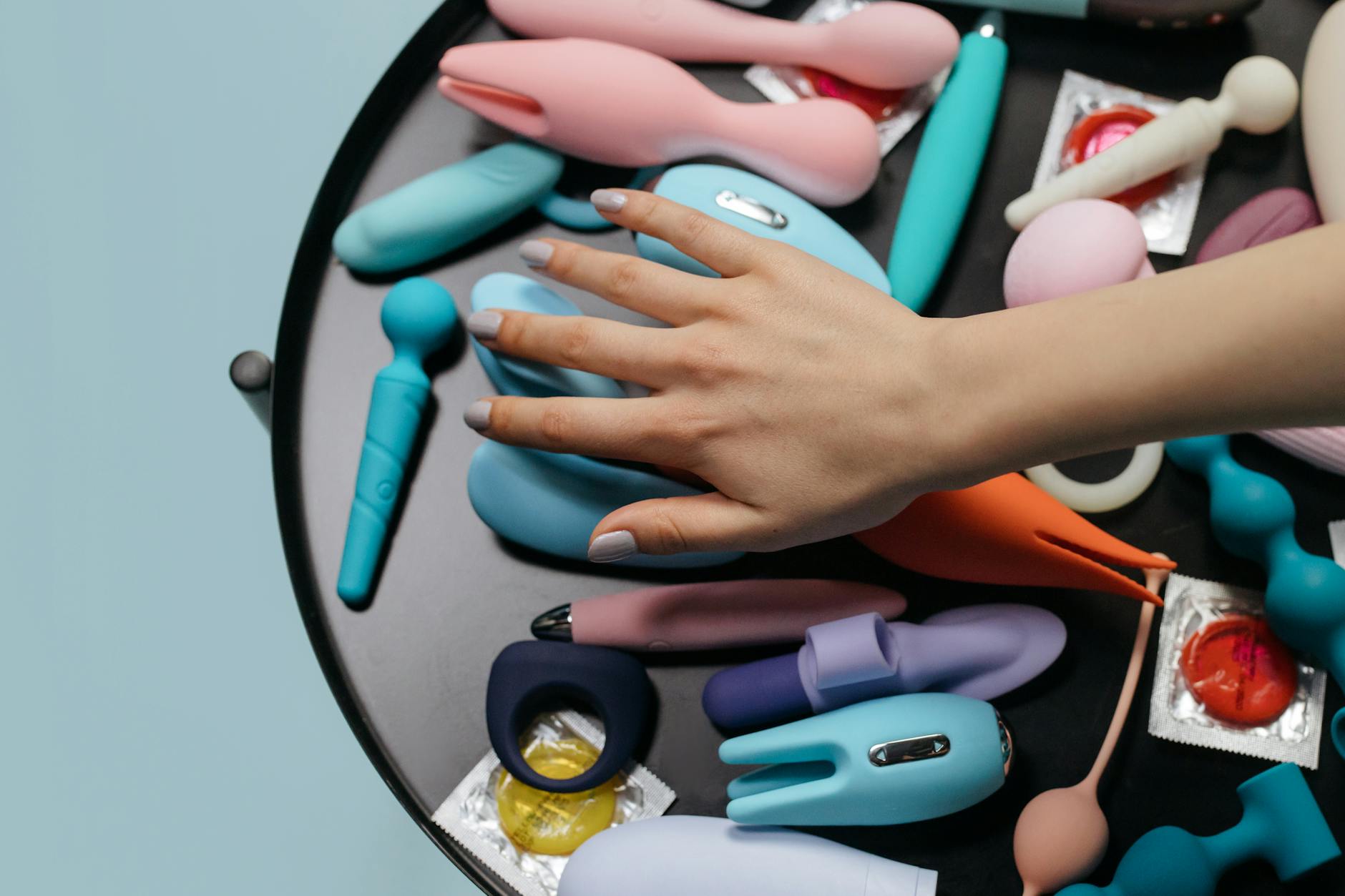
Photo by FounderTips on Pexels
The partner factor when arousal is slower
If you're with someone, slow arousal can sometimes become a tension point. One person is ready. The other needs more time. If you're not talking about it, resentment creeps in.
Here's what I tell couples: slower arousal is not a personal rejection. It's not about them. It's about how your individual nervous system works. The fastest thing you can do is name it out loud. "I'm going to need some time tonight," or "My body's moving slower," takes all the guessing and tension out of the room.
A partner who cares about your pleasure will want to know what helps. That's actually a great conversation to have. Do you want them present and quiet? Do you want to go solo with a lemon vibrator first and then come together? Do you want them to touch you while you use the Lem? These aren't weird questions. These are the questions that make sex actually work when bodies move at different speeds.
Building intensity gradually once arousal starts moving
Once you feel that first shift, arousal starting to build, that's when you can start playing with intensity on your lemon clitoral vibrator. Move from pattern 1 to pattern 2. Shift the Lem around slightly to find the exact angle that feels best. You might notice the sensation intensifying. You might notice pleasure building in waves.
Slower arousal often means slower orgasms, and that's not a bad thing. You might have more time to explore different types of stimulation. You might discover you like a combination of internal and external touch that you wouldn't have found if arousal had shot up in five minutes.
Some people with slow-building arousal describe their orgasms as deeper or longer because everything's had time to activate. Others say they feel more present because they've spent so long building up to it. There's no "right" way this is supposed to feel. Just different.
Patience isn't passive
The biggest shift I see when someone accepts their slower arousal is that they stop treating it as an obstacle. Patience becomes active, not frustrated waiting. You're setting boundaries (more time). You're communicating (what you need). You're experimenting with what actually works for your body, not what you think should work.
That's the real work. The Lem helps. Extended warm-up helps. Privacy and deep breathing help. But the foundation is deciding that your arousal, at whatever pace it moves, matters and is worth taking seriously.
People also ask
How long should arousal take with a lemon vibrator?
There's no single timeline. For some people, 5 to 10 minutes of suction stimulation with a lemon clitoral vibrator builds arousal nicely. For others, 20 to 30 minutes of gradually increasing intensity feels more natural. The key is that the Lem's suction mechanism creates a cumulative effect, so longer use often means more noticeable arousal buildup. Start at the lowest setting and extend your warm-up period. You'll learn your personal timeline pretty quickly.
Can medication slow down arousal?
Yes. Antidepressants, birth control, blood pressure medications, and some antihistamines can all affect arousal speed and intensity. If your slower arousal is new and correlates with starting a medication, that's worth mentioning to your doctor. They might adjust your dose, switch you to a different medication, or suggest timing (taking your pill after sex instead of before, for example). Never stop a medication without talking to your provider, but definitely bring this up.
Should I use a lemon vibrator longer if I'm arousing slowly?
Usually yes, but with a twist. Instead of assuming you need to blast through on high intensity, try staying on lower intensities for longer. The Lem's air-suction design works best with sustained, gentle stimulation that gradually builds sensitivity. Fifteen to 20 minutes on pattern 1 or 2 often produces more noticeable arousal than five minutes on pattern 5. Let the tool do the work instead of forcing intensity.
Is slow arousal a sign that something is wrong?
Not necessarily. Slow arousal becomes a concern if it's new, if it's causing you distress, or if it's paired with other symptoms like low desire, pain, or depression. If your arousal has always been slower and you're happy, that's just your normal. If it's a recent shift, worth exploring with a therapist or sexual health provider. Context matters a lot.
Can stress actually prevent arousal from building?
Absolutely. Your sympathetic nervous system (stress mode) and your parasympathetic nervous system (arousal mode) are basically opposites. When you're chronically stressed, your body stays in fight-flight mode, and arousal struggles to engage. This is especially true if you're stressed about the relationship itself or feeling disconnected from your body. Stress management, therapy, and creating actual safety usually help arousal return.
How do I talk to my partner about needing more time to arouse?
Direct is best. "My body needs more time to warm up" is clear and not defensive. You might say, "I'd like us to spend 20 to 30 minutes on foreplay," or "I want to use the Lem solo first so I can get there at my own pace." Partners who care will appreciate knowing what helps. If your partner responds poorly to you naming what you need, that's a separate conversation worth having with a therapist.
Bottom line
Slow arousal is not a flaw. It's often a feature of bodies that need to feel genuinely safe before pleasure can land. A lemon vibrator, particularly the air-suction style, creates the conditions for that gradual awakening. Combined with real time, real privacy, and real permission, slow arousal can become some of your best intimate moments. The rush was never the point anyway.